
In the rapidly evolving world of digital currencies, security remains a paramount concern for investors and enthusiasts alike. The Trezor hardware wallet has emerged as one of the most trusted tools for safeguarding cryptocurrency holdings. As more people transition to digital assets, understanding how Trezor enhances security, its features, and its role in the broader ecosystem becomes essential for anyone serious about managing their crypto investments safely. This article delves deeply into what makes Trezor a standout in hardware wallets, explores its technical components, and guides users on integrating it into their financial strategies.
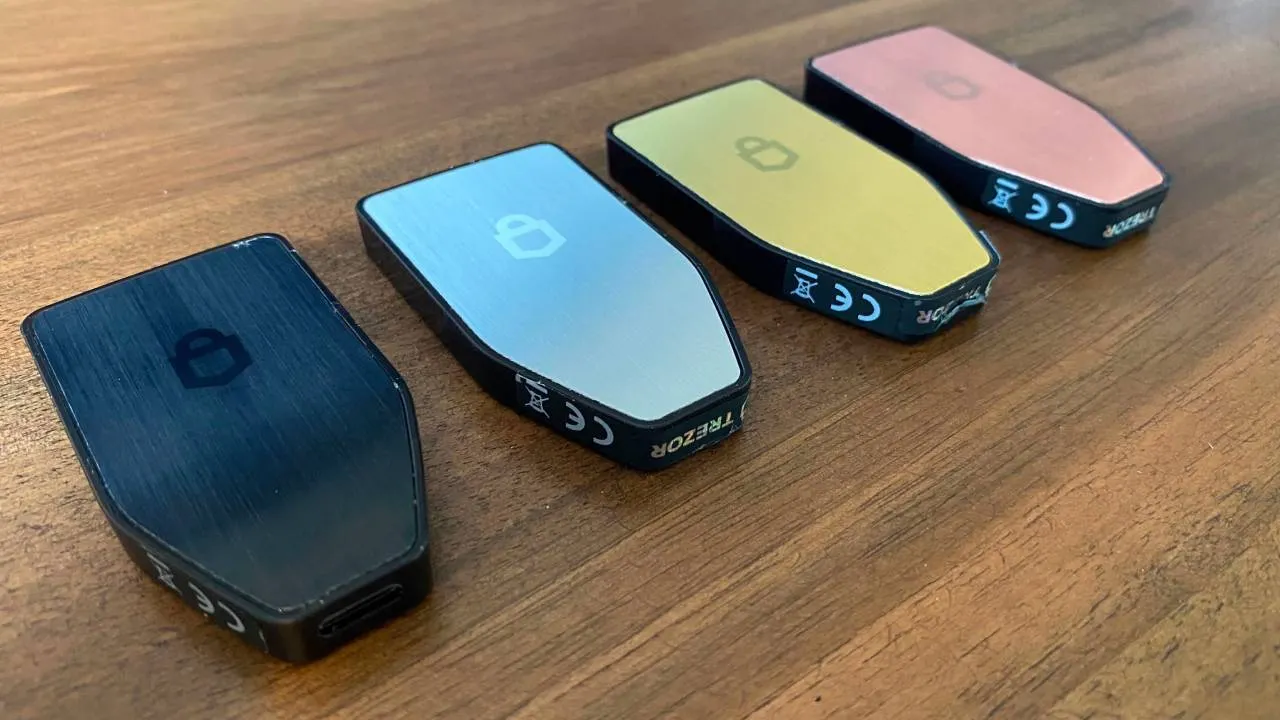
Cryptocurrency security is a critical subject given the irreversible nature of blockchain transactions and the frequent targeting of online exchanges and digital wallets by cybercriminals. While many investors have moved to software wallets, which are more convenient, they are often more vulnerable to hacking, malware, and phishing attacks. Hardware wallets like Trezor provide a robust solution by isolating private keys from internet-connected devices, adding a layer of security that soft wallets simply cannot match.
This security model is especially vital for long-term investors holding significant amounts of digital assets, as well as for institutional players managing diversified portfolios. The notion of storing private keys offline—cold storage—is what makes Trezor a preferred choice. By significantly reducing the risk surface, hardware wallets empower users to maintain control over their assets without relying on third-party custodians. As the crypto ecosystem expands, understanding the role of hardware wallets in securing digital wealth is no longer optional but essential.
The proliferation of threats like phishing scams and malware signifies the necessity for dedicated security hardware. Trezor has continuously evolved to meet these challenges, adopting secure elements and strict security protocols. As more people realize that exchange accounts and online wallets are prime targets, the importance of having a dedicated physical device such as Trezor for managing private keys becomes apparent. It bridges the gap between convenience and security, making it a cornerstone for prudent crypto management.
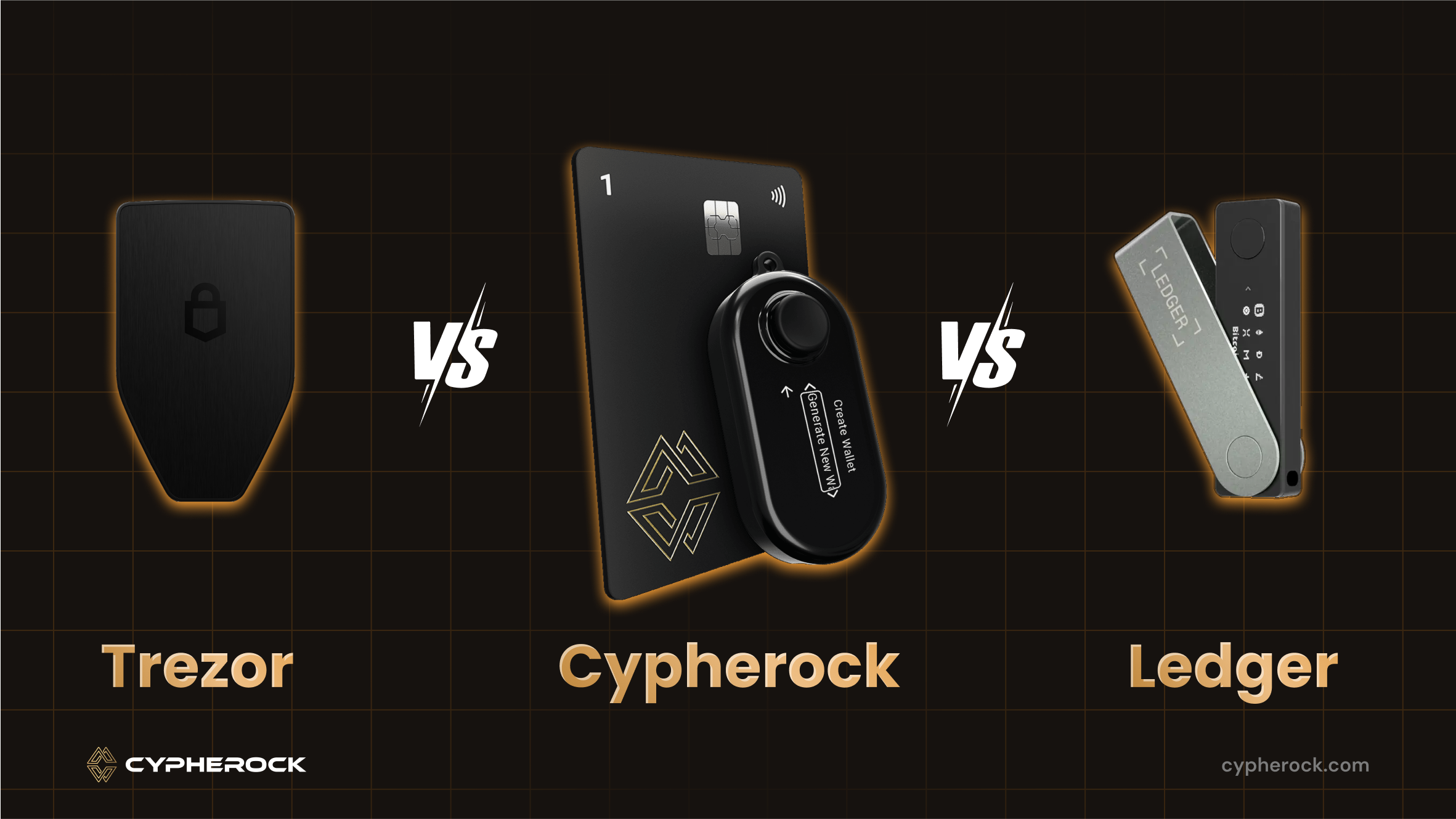
While Trezor provides unmatched security for private keys, it should be viewed as part of a comprehensive security strategy for digital assets. Users should combine hardware wallets with other best practices, like strong, unique passwords, two-factor authentication, and regular account reviews. For example, integrating Trezor with reputable management software can streamline transaction signing and asset management, further enhancing security and usability.
Moreover, Trezor supports integration with numerous blockchain networks and decentralized applications, expanding its utility beyond simple storage. It offers features tailored to both beginner investors and experienced traders, including compatibility with third-party tools, which simplifies interactions across a multi-wallet ecosystem. This versatility helps users adapt their security approach as their holdings and engagement with digital currencies grow.
The importance of education and proper setup cannot be overstated. Many security breaches occur due to user errors, such as mishandling recovery phrases or falling for scams claiming to be official Trezor communications. This underscores the need for training and awareness as part of deploying hardware wallets like Trezor. Overall, incorporating Trezor into your security protocol offers peace of mind and a safeguard against many common threats targeting digital assets.
Understanding the technical features of Trezor is essential to appreciate why it is considered a leader among hardware wallets. Its design emphasizes not only security but also ease of use, compatibility, and flexibility. Trezor's core function is to generate and store private keys securely offline, but it encompasses a range of innovative features that cater to modern cryptocurrency users.
At the heart of the Trezor device lies a secure element chip designed specifically to protect sensitive cryptographic operations. This component performs private key management and transaction signing in a highly resistant environment, isolating critical operations from potential online threats. Its open-source firmware allows security researchers and the community to verify the code's integrity, fostering transparency and trust. For users concerned about backdoors or hidden vulnerabilities, this aspect is particularly reassuring.
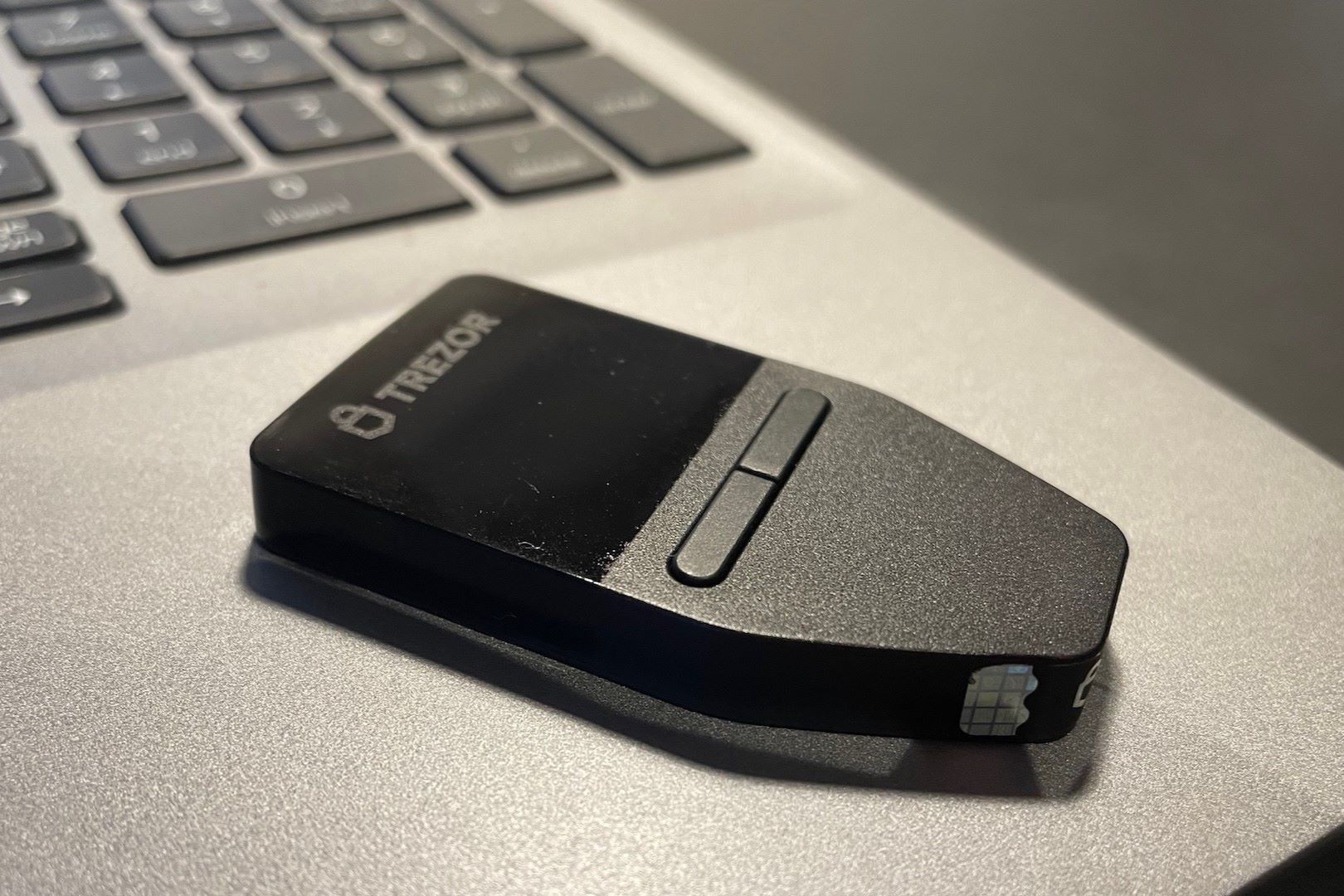
Another key feature is the device's user interface, which typically includes a small display and physical buttons. These enable users to verify critical transaction details directly on the device before approval, preventing phishing or man-in-the-middle attacks. The clear, straightforward interface enhances usability for both newcomers and experienced users. Compatibility with popular wallets and management tools like Trezor Suite further streamlines the onboarding process, allowing users to manage multiple coins and tokens seamlessly.
Trezor’s support for multiple cryptocurrencies—ranging from Bitcoin and Ethereum to various altcoins—makes it a versatile storage solution. Its firmware is regularly updated to incorporate new features, security patches, and network support. For those managing a diverse portfolio, this flexibility simplifies asset management without reducing security. Additionally, it supports multi-signature transactions, which are crucial for enterprise-level security protocols, making Trezor suitable for both individual investors and organizations.
Delving deeper into its technical makeup, Trezor utilizes advanced security components like a dedicated secure element chip, which is resistant to physical tampering and side-channel attacks. This hardware component manages cryptographic secrets exclusively within its confines, ensuring that even if the device is physically compromised, private keys cannot be extracted or duplicated. This provides a robust layer of defense that goes well beyond standard encryption.
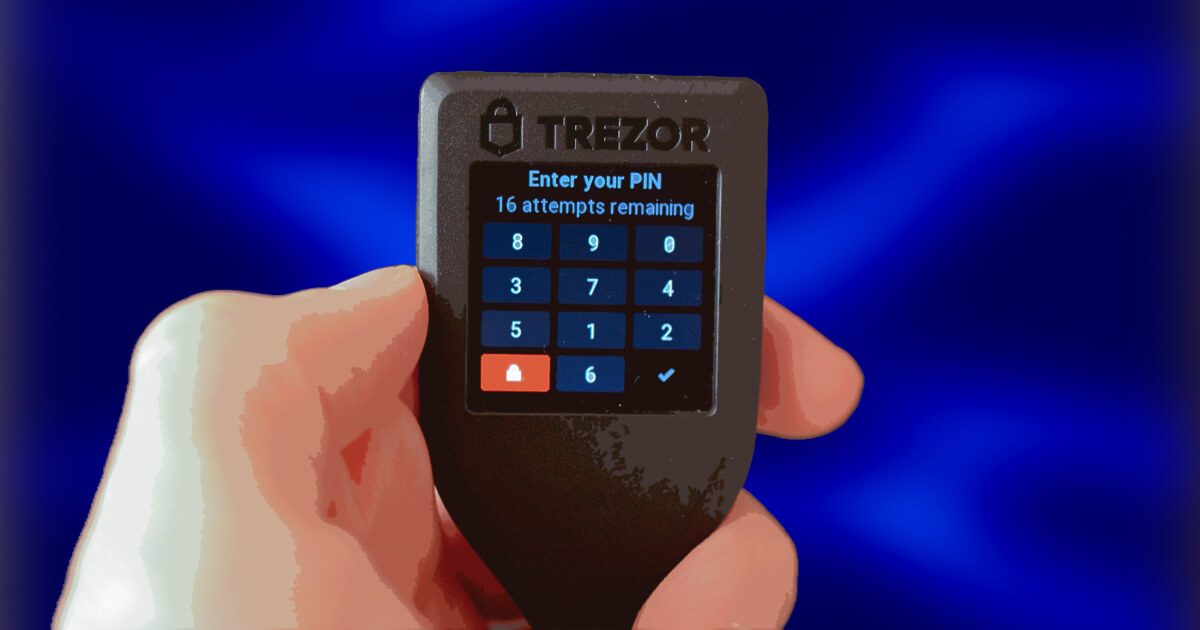
Furthermore, Trezor incorporates a PIN code system and passphrase protection. These serve as additional safeguards, adding layers of authentication to prevent unauthorized access even if the device is stolen or lost. The device also features a recovery seed—a series of 12, 18, or 24 words—that allows users to recover their private keys in case of device failure or loss. Importantly, this seed must be kept secure and private, as anyone with this information could access stored assets.
The firmware architecture of Trezor is open-source, a strategy that has fostered extensive peer review from cybersecurity experts worldwide. The transparency allows independent verification of its security claims and facilitates rapid patching of vulnerabilities, should any be discovered. This open approach enhances user confidence, knowing that the device's security is continually scrutinized and improved by a global community of developers.
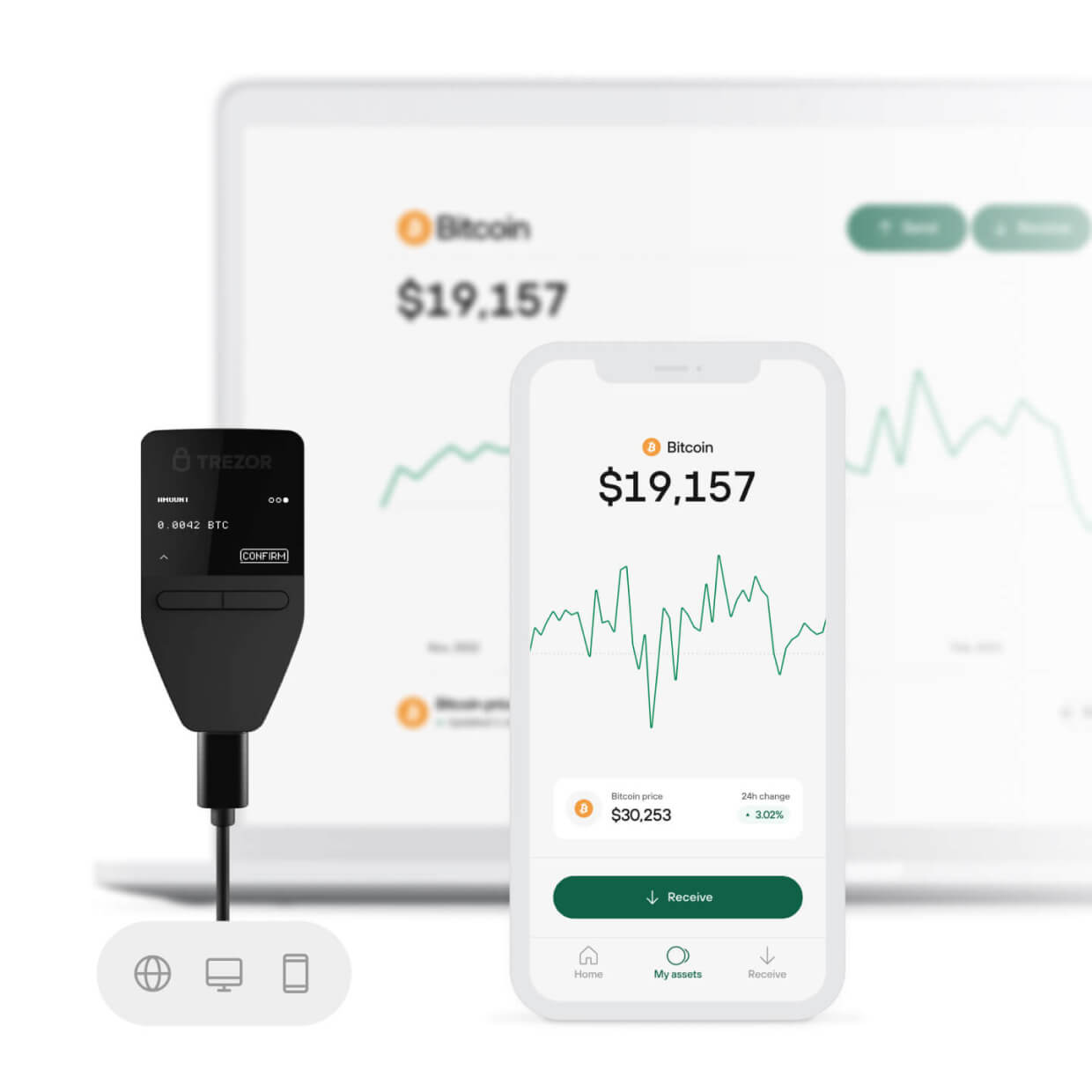
Incorporating Trezor into your cryptocurrency investment routine can provide peace of mind while empowering you with full control over your assets. A strategic approach involves understanding when and how to use the device optimally, considering factors like asset allocation, transaction frequency, and security needs. For many investors, Trezor becomes an integral part of a layered security protocol, ensuring assets are protected during storage, transfer, and recovery.
One practical approach is to use Trezor for long-term holdings and cold storage of high-value assets. By transferring significant portions of your crypto portfolio to Trezor, you mitigate risks associated with online hacks, exchange failures, or phishing attempts. Meanwhile, smaller amounts used for trading or transactions can be stored in hot wallets, which offer more convenience but are used with heightened caution. This balance maximizes both security and operational efficiency.
Another aspect to consider is the integration of Trezor with portfolio management and trading platforms. Many advanced tools support hardware wallet connectivity, allowing for seamless transaction signing and verification. This setup minimizes exposure to malware or keyloggers during sensitive operations. Furthermore, Trezor’s compatibility with decentralized applications enhances participation in DeFi protocols without compromising private keys.
Security practices such as regularly updating firmware, safeguarding recovery phrases, and verifying device integrity are essential for effective Trezor utilization. For example, users should avoid entering recovery seed information on untrusted devices or networks, and always verify public addresses directly on the hardware device to prevent scams. With disciplined security habits, deploying Trezor can significantly enhance your overall crypto security posture.
To maximize the benefits of Trezor, investors should develop a consistent operational routine. This includes keeping the device’s firmware up to date, which patches vulnerabilities and introduces new features, thereby maintaining high security standards. Also, users should create a secure environment when initializing the device and setting up the recovery seed—preferably on a dedicated, offline computer to prevent interception.
Another tip is to utilize passphrases and multi-signature configurations when supported, especially for organizational assets or funds that require additional layers of security. These techniques complicate unauthorized access attempts and enable shared control among trusted parties. Trezor’s support for multi-party setups makes it suitable for collaborative investment strategies, combining security with operational flexibility.
Educating oneself on potential scams and phishing tactics related to hardware wallets remains vital. Many criminals attempt to impersonate wallet providers, seeking to extract seed phrases or trick users into revealing sensitive information. Recognizing and avoiding such schemes safeguards assets more effectively than any hardware feature alone. A well-informed user who integrates Trezor into their security routine will ensure longer-term safety for their crypto investments, embracing a proactive stance amidst a dynamic threat landscape.
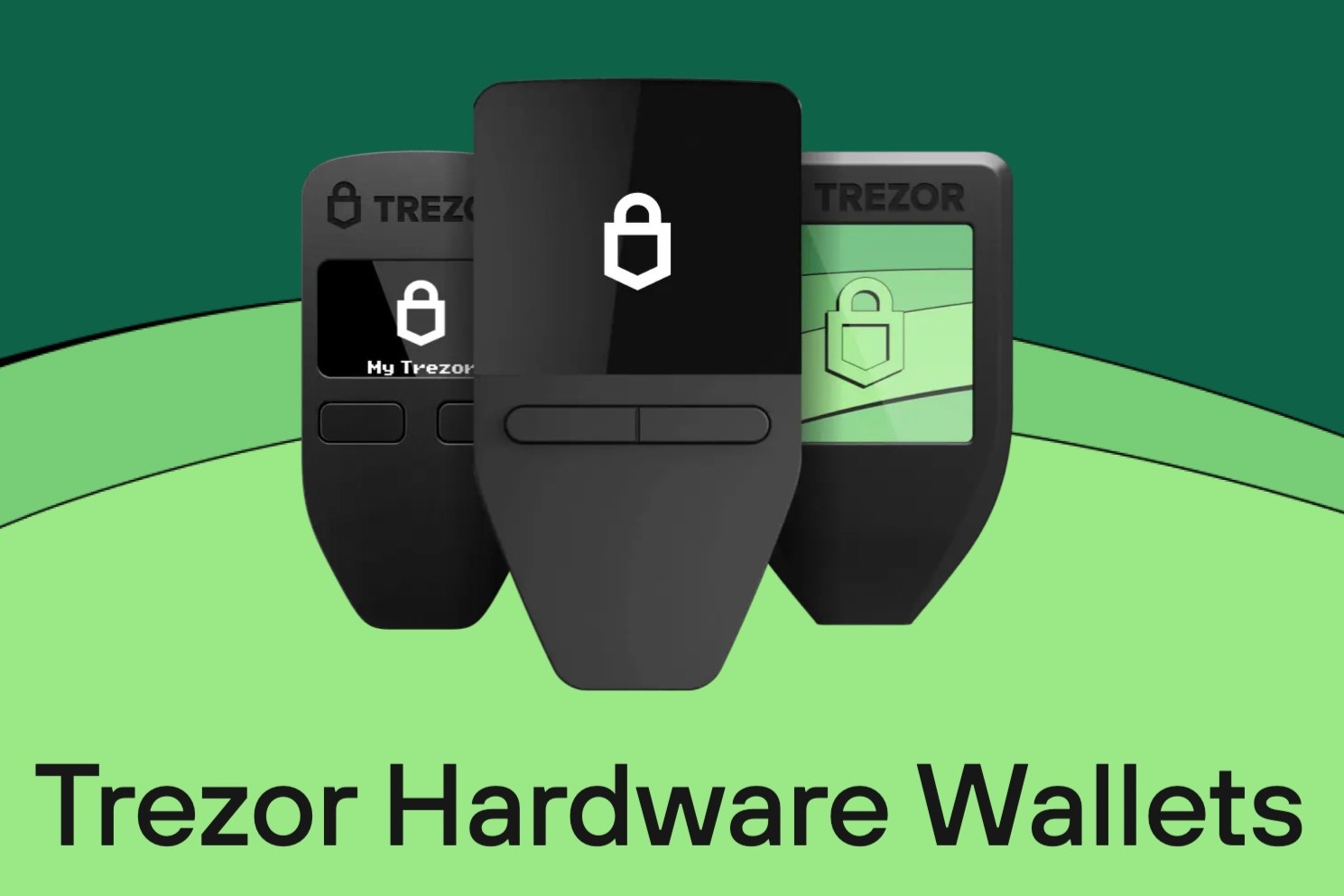
The Trezor hardware wallet stands as a pillar of security amid the volatile and often perilous landscape of cryptocurrency investing. Its advanced security features, open-source transparency, and user-friendly design make it an essential tool for safeguarding digital assets. As the digital economy continues to grow, so does the importance of integrating reliable hardware solutions like Trezor into investment strategies. By combining robust hardware with best security practices, users can confidently navigate the complexities of crypto management, ensuring their wealth is protected from both cyber threats and physical risks. In an environment where digital assets are only gaining importance, Trezor provides peace of mind and a safeguard for the future of your digital investments.