
In an era where digital assets are shaping the future of finance and business operations, safeguarding and managing cryptocurrencies has become paramount. Ledger, a renowned name in the world of hardware wallets and security solutions, offers an innovative way to store, protect, and control digital assets securely. As the adoption of cryptocurrencies accelerates across startups, entrepreneurs, and individual investors, understanding the importance of a robust security system like Ledger is essential for maintaining financial integrity and peace of mind. This comprehensive guide explores the many facets of Ledger, its role in digital asset management, and why it has become an indispensable tool for modern financial security.
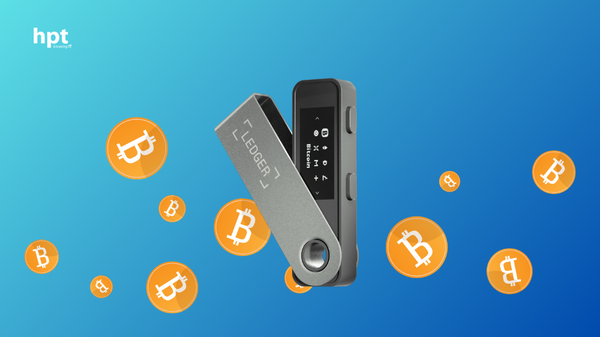
The surge in cryptocurrency popularity has transformed the way individuals and businesses approach financial transactions, investments, and asset management. Unlike traditional money held in banks, cryptocurrencies are often stored in digital wallets, making security measures critical to prevent theft, hacking, or loss of access. The decentralized nature of blockchain technology offers transparency and security but also shifts the responsibility of safeguarding assets onto the user.
Many new entrants into the crypto space underestimate the importance of security, leaving their digital wealth vulnerable to malicious attacks. This vulnerability underscores the necessity for a physical hardware wallet like Ledger, which provides a secure offline environment to store private keys and sensitive information. The significance of these measures becomes even more apparent when considering the irreversible nature of blockchain transactions, meaning once assets are compromised or lost, recovery options are limited.
Furthermore, as cryptocurrency markets are highly volatile, professional investors and startups rely heavily on security solutions that allow them to manage multiple types of digital assets without risking exposure to hacks or fraud. Ledger's comprehensive security ecosystem addresses these concerns, offering peace of mind in a landscape marked by rapid technological changes and evolving cyber threats.

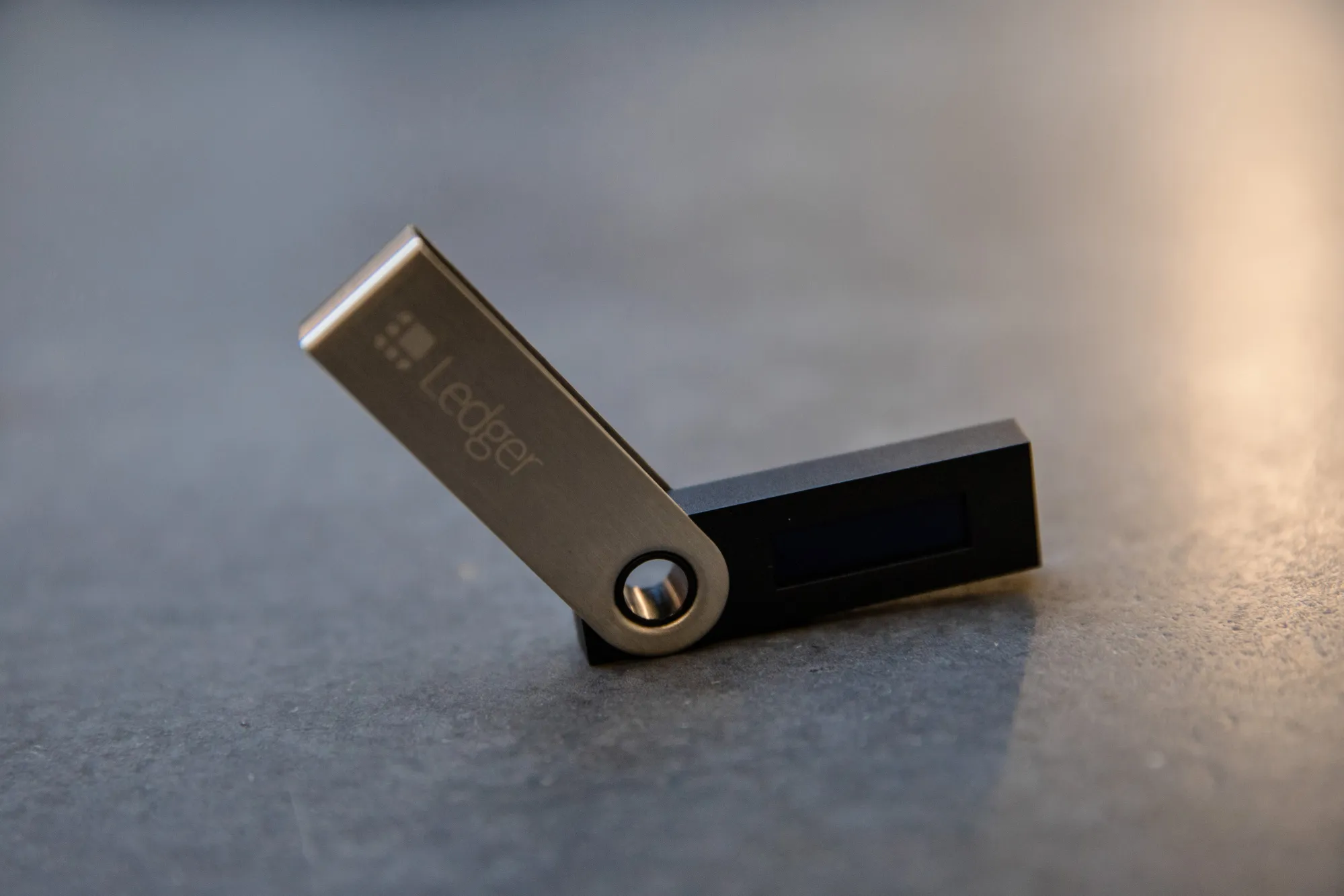
Ledger stands out in the blockchain security landscape by combining hardware innovation with user-friendly interfaces, making it accessible to both beginners and seasoned crypto traders. At its core, Ledger offers hardware wallets that serve as the ultimate physical safeguard for private keys, which are essentially the master passwords needed to access cryptocurrencies.
The most popular Ledger device, the Ledger Nano X, features Bluetooth connectivity, a multi-asset authentication system, and a sleek design that fits comfortably in your hand. It integrates with Ledger's proprietary app, Ledger Live, which allows users to manage various cryptocurrencies, monitor balances, and initiate transactions securely.
One of the standout features of Ledger devices is their use of secure elements (SE) chips—comparable to those used in smartphones and banking cards—that provide an isolated environment for sensitive data. This level of hardware security ensures that private keys never leave the device, significantly reducing the risk of online hacking attempts. Additionally, Ledger’s status as a certified security company ensures adherence to strict industry standards, reinforcing its reputation for trustworthiness.
The integration of multiple cryptocurrencies and tokens further makes Ledger a versatile tool for all users. It supports Bitcoin, Ethereum, XRP, and numerous altcoins, enabling comprehensive digital asset management. Moreover, the inclusion of features like secure firmware updates ensures that the device remains resilient against emerging threats, maintaining its cutting-edge security profile. With its user-friendly setup process and dedicated support, Ledger has become the go-to device for individuals and organizations aiming to safeguard their digital wealth effectively.
Entrepreneurs and digital marketers who engage with cryptocurrencies increasingly find Ledger to be a crucial part of their financial toolkit. For startups operating in the blockchain or fintech spheres, securing investor funds, paying team members in digital assets, or managing token sales are typical activities that require heightened security.
By integrating Ledger hardware wallets into their operational flow, startups can mitigate risks associated with online exchanges or software wallets subject to hacking. The physical nature of Ledger devices means that even if a computer is compromised, the assets stored offline remain safe from cyber threats. This security layer is vital during fundraising rounds, initial coin offerings (ICOs), or when executing large volume transactions with clients.
Moreover, Ledger supports integration with several SaaS platforms that facilitate crypto payments, accounting, and compliance management, catering directly to entrepreneurial needs. Digital marketers leveraging cryptocurrencies for campaigns or affiliate programs also benefit from Ledger’s secure storage, ensuring that earnings are protected from malicious attacks and unauthorized access. Since transparency and security are essential for building trust with clients and investors, Ledger enhances credibility by demonstrating fiscal responsibility and proactive security measures.
For online businesses seeking to scale globally, implementing Ledger devices not only provides security but also streamlines operational efficiency, allowing teams to access digital assets quickly while maintaining control over private keys. The confidence that comes with robust security measures encourages more entrepreneurial innovation and expands opportunities in the rapidly evolving crypto economy.

When considering Ledger as a solution for digital asset management, it is important to weigh its multiple benefits alongside potential limitations. On the positive side, Ledger's hardware wallets offer unmatched security, offline storage, and multi-asset support. These features make it a reliable choice for minimizing risks related to hacking, phishing attacks, and accidental loss.
Another significant advantage is Ledger's ease of use. Thanks to its intuitive interface, even users new to cryptocurrency can set up and operate the device with minimal technical expertise. The extensive ecosystem surrounding Ledger provides ongoing firmware updates and customer support, further enhancing its usability and resilience.
However, there are some limitations worth noting. While hardware wallets provide robust security, they are not infallible and require proper handling. Physical damage, loss, or theft can pose challenges, necessitating the use of backup recovery phrases and secure storage practices. Additionally, the initial cost—typically ranging from $50 to over $100—may be a barrier for some casual investors or small startups with restricted budgets.
Another consideration is the reliance on third-party applications and services for managing digital assets. Although Ledger provides seamless integration with various platforms like Ledger Live, users must remain vigilant about ensuring these apps are kept up-to-date and free from vulnerabilities.
Overall, the benefits of Ledger—chiefly security, multi-asset support, and user-friendliness—far outweigh the drawbacks. Its ability to provide a secure offline environment for digital assets makes it an essential tool for those committed to safeguarding their financial futures in the cryptoverse.

In conclusion, as the digital economy continues to expand, the importance of robust security solutions like Ledger cannot be overstated. From safeguarding private keys to supporting multiple cryptocurrencies, Ledger offers a comprehensive and trustworthy platform for entrepreneurs, marketers, and individual investors alike. Its advanced hardware protections, ease of integration, and ongoing support make it a vital asset in the fight against cyber threats and financial loss. By investing in a Ledger device, users invest in peace of mind, knowing their digital wealth is protected from malicious actors. As more businesses embrace blockchain technology and cryptocurrencies become mainstream, Ledger remains a critical component in ensuring secure, transparent, and confident participation in the digital financial landscape.