
The landscape of digital currency trading and investment has evolved rapidly over recent years, and Coinbase stands at the forefront of this revolution. As one of the most prominent cryptocurrency platforms globally, Coinbase has become synonymous with user-friendly access to a vast array of digital assets, robust security features, and innovative tools for both beginners and seasoned traders. In this article, we explore how Coinbase is transforming the financial ecosystem, making cryptocurrency trading more accessible, secure, and integrated into everyday financial activities.
Understanding Coinbase's role in democratizing crypto investing is vital for anyone interested in harnessing the potential of emerging digital currencies. From its comprehensive trading platform to its strategic initiatives aimed at simplifying complex blockchain concepts, Coinbase continues to set new standards in the industry. Whether you're a curious newcomer or an experienced investor, this detailed exploration reveals the various ways Coinbase is shaping the future of finance.
The cryptocurrency market, once niche and complex, has experienced significant growth, driven largely by platforms like Coinbase that prioritize ease of use, security, and accessibility. Historically, early crypto enthusiasts faced numerous hurdles—complex wallets, steep learning curves, and concerns about security risks. Coinbase emerged as a solution, offering a more intuitive interface and trustworthy service that welcomed a broader audience into crypto trading.
Today, Coinbase’s platform is renowned for its user-friendly design, allowing individuals to buy, sell, and hold cryptocurrencies with just a few clicks. Its evolution over recent years highlights a commitment not only to maintaining a secure environment but also to enhancing features that empower users. For instance, Coinbase has incorporated advanced trading tools and analytics, making it easier for traders to analyze market trends and execute strategies effectively.
Coinbase's continuous development reflects its mission to bridge the gap between traditional finance and the new digital economy. Its expansion into regions worldwide, coupled with its commitment to regulatory compliance, underscores a strategic vision rooted in mainstream adoption. As cryptocurrencies like Bitcoin and Ethereum gain wider acceptance, Coinbase’s role becomes even more critical as a trusted gateway for millions of users venturing into digital assets.
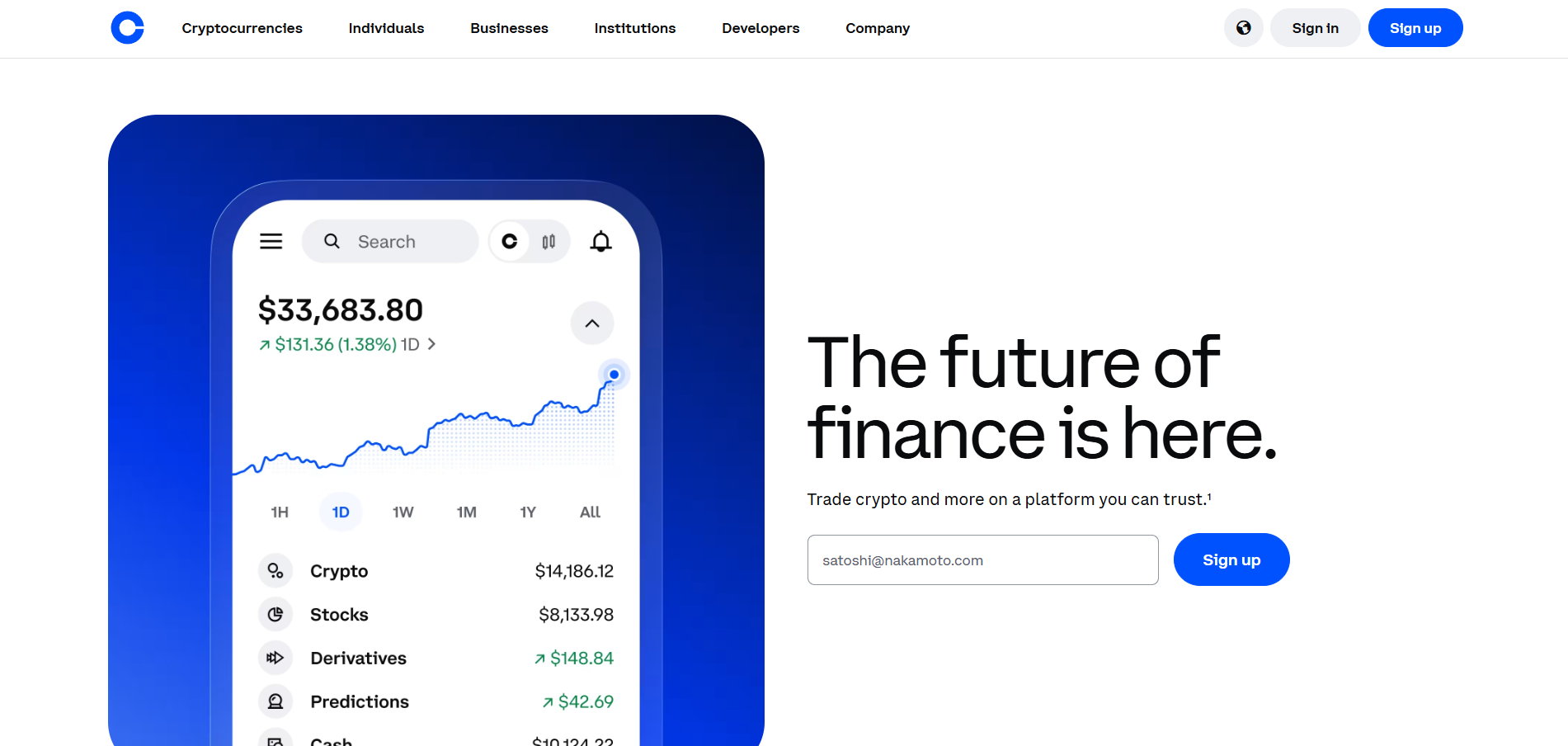
Initially, Coinbase's offerings focused on major cryptocurrencies such as Bitcoin, Ethereum, and Litecoin. However, recognizing the growing diversity in the crypto space, Coinbase has significantly expanded its asset catalog. Today, users can access over 100 cryptocurrencies, including emerging altcoins, stablecoins, and tokens linked to decentralized finance (DeFi) projects.
This diversification serves multiple purposes. First, it provides traders with more opportunities to diversify their portfolios, reducing risk and increasing potential returns. Second, it positions Coinbase as a comprehensive ecosystem that caters to various investment strategies—from long-term holds to active trading. Finally, the inclusion of a wider array of tokens encourages innovation and supports the growth of decentralized applications built on different blockchain platforms.
The process of adding new assets involves rigorous due diligence to ensure security and compliance, reflecting Coinbase’s dedication to maintaining a trusted platform. This strategic move aligns with the broader industry trend of expanding the cryptocurrency universe beyond Bitcoin and Ethereum, inviting more users to participate in this transformative financial sphere.

Coinbase has invested heavily in enhancing its trading infrastructure, making sophisticated tools accessible to both novices and professional traders. Features like real-time market data, customizable trading dashboards, and automated alerts enable users to stay ahead of market movements.
Moreover, Coinbase Pro caters to more experienced traders, offering advanced order types, margin trading options, and detailed analytics. This differentiation ensures that the platform caters to a broad spectrum of users—those just starting and those looking for in-depth trading capabilities. Coinbase’s intuitive design helps demystify complex trading concepts, making the journey into cryptocurrency investing less daunting.
Looking ahead, Coinbase is exploring integration with AI-powered analytics and automation tools. These innovations aim to optimize trading decisions, reduce emotional biases, and provide personalized insights based on individual trading patterns. Such developments point toward a future where even novice traders can access sophisticated tools previously reserved for institutional investors, thus democratizing crypto trading further.

The surge in cryptocurrency adoption raises critical concerns about security and regulation. Coinbase’s approach emphasizes both, positioning itself as a trustworthy intermediary in the digital economy. The platform employs robust security measures including cold storage, two-factor authentication, biometric logins, and insurance policies covering digital assets held on the platform.
This focus on security reassures millions of users worldwide. Yet, beyond technical safeguards, Coinbase has actively worked within the regulatory frameworks of various jurisdictions, collaborating with authorities and adapting its policies accordingly. This proactive engagement ensures compliance with local laws, reduces risks of shutdowns or legal challenges, and fosters trust among its user base.
Regulatory clarity is essential for mainstream adoption of cryptocurrencies. By aligning its operations with evolving legal standards, Coinbase provides a safer environment for retail investors, institutions, and enterprises looking to integrate blockchain assets into their financial activities. This positioning not only enhances user confidence but also promotes the sustainable growth of the cryptocurrency market as a whole.
As governments and financial institutions worldwide formulate policies on digital assets, Coinbase remains agile in its approach. The platform regularly updates its compliance measures, implements stronger KYC (Know Your Customer) protocols, and collaborates with regulatory bodies to shape balanced frameworks.
This adaptability demonstrates Coinbase’s leadership within the industry, setting benchmarks for responsible cryptocurrency trading. For example, the company’s efforts to comply with AML (Anti-Money Laundering) standards and sanctions regulations underscore its commitment to a legitimate, sustainable crypto ecosystem. These initiatives mitigate risks of illegal activities and promote wider acceptance among traditional financial institutions.
Stakeholders benefit greatly from Coinbase’s integrated approach to compliance. By working inline with evolving laws, Coinbase reduces exposure to regulatory backlash and enhances its reputation as a reliable partner for businesses and individual investors alike. This strategic balance of innovation and regulation is crucial for the long-term success of cryptocurrency adoption on a global scale.

Looking forward, Coinbase’s trajectory suggests a focus on seamless integration of blockchain technology into everyday financial services. From staking and earning yields on digital assets to introducing tokenized assets representing real-world investments, Coinbase aims to create a holistic crypto economy platform.
Blockchain technology offers the potential to revolutionize traditional banking, investment, and payment systems. Coinbase's recent initiatives aim to facilitate this transition by providing user-friendly interfaces, educational resources, and partnerships with financial institutions. These efforts will help demystify blockchain concepts and encourage responsible innovation that benefits entrepreneurs, investors, and everyday users.
Another exciting development is Coinbase’s potential expansion into decentralized finance (DeFi). By integrating DeFi protocols directly into its platform, Coinbase could enable users to loan, borrow, and earn interest on their assets in a more integrated manner. This approach could serve as a gateway for mainstream audiences to participate in DeFi without managing complex platforms, thus accelerating the adoption curve.
Finally, the increasing interplay between traditional finance and decentralized ecosystems positions Coinbase as an essential intermediary. Its role in bridging fiat and digital assets, combined with ongoing technological innovations like AI-powered trading and automation tools, will shape the landscape of future financial services. As the industry matures, Coinbase’s commitment to security, compliance, and user empowerment ensures that it remains a pivotal player.

Coinbase has established itself as a transformative force in the world of digital assets, bridging the gap between traditional finance and decentralized cryptocurrencies. Its evolution from a simple exchange to a comprehensive platform with advanced trading tools, extensive asset offerings, and robust security measures underscores its leadership in the industry. By promoting regulatory compliance and embracing innovation, Coinbase cultivates trust and fosters broader adoption of blockchain technology. Looking ahead, its strategic initiatives towards integrating DeFi, staking, and AI-driven insights promise to further democratize financial access and empower users around the globe. As cryptocurrency continues to reshape the future of finance, Coinbase remains a pivotal player leading the charge into this new digital economy.